

Extrait de Parfum vs Eau de Parfum: What's the Difference?
You have probably seen the words Eau de Parfum and Extrait de Parfum on perfume bottles. They sound similar, but what actually separates them?
Is one stronger? Does one last longer? And does a higher fragrance concentration always mean a better perfume?
When comparing extrait de parfum vs eau de parfum, the biggest difference lies in the concentration of fragrance materials. But the way a perfume develops on your skin, how far it projects and how long it lasts are a little more complicated.
Whether you are discovering niche fragrances for the first time or expanding your perfume collection, understanding the difference can help you find a scent that suits the way you want to wear it.
What Is Extrait de Parfum?
Extrait de Parfum, sometimes called perfume extract or pure perfume, is one of the most concentrated forms of fragrance.
It generally contains a higher proportion of aromatic materials than Eau de Parfum, although concentrations vary between brands and formulations.
Where an Eau de Parfum might feel airy and expressive, an Extrait de Parfum can offer a richer, more concentrated interpretation of a fragrance.
This does not necessarily mean it will be louder. Some extraits stay relatively close to the skin, revealing their complexity gradually throughout the day.
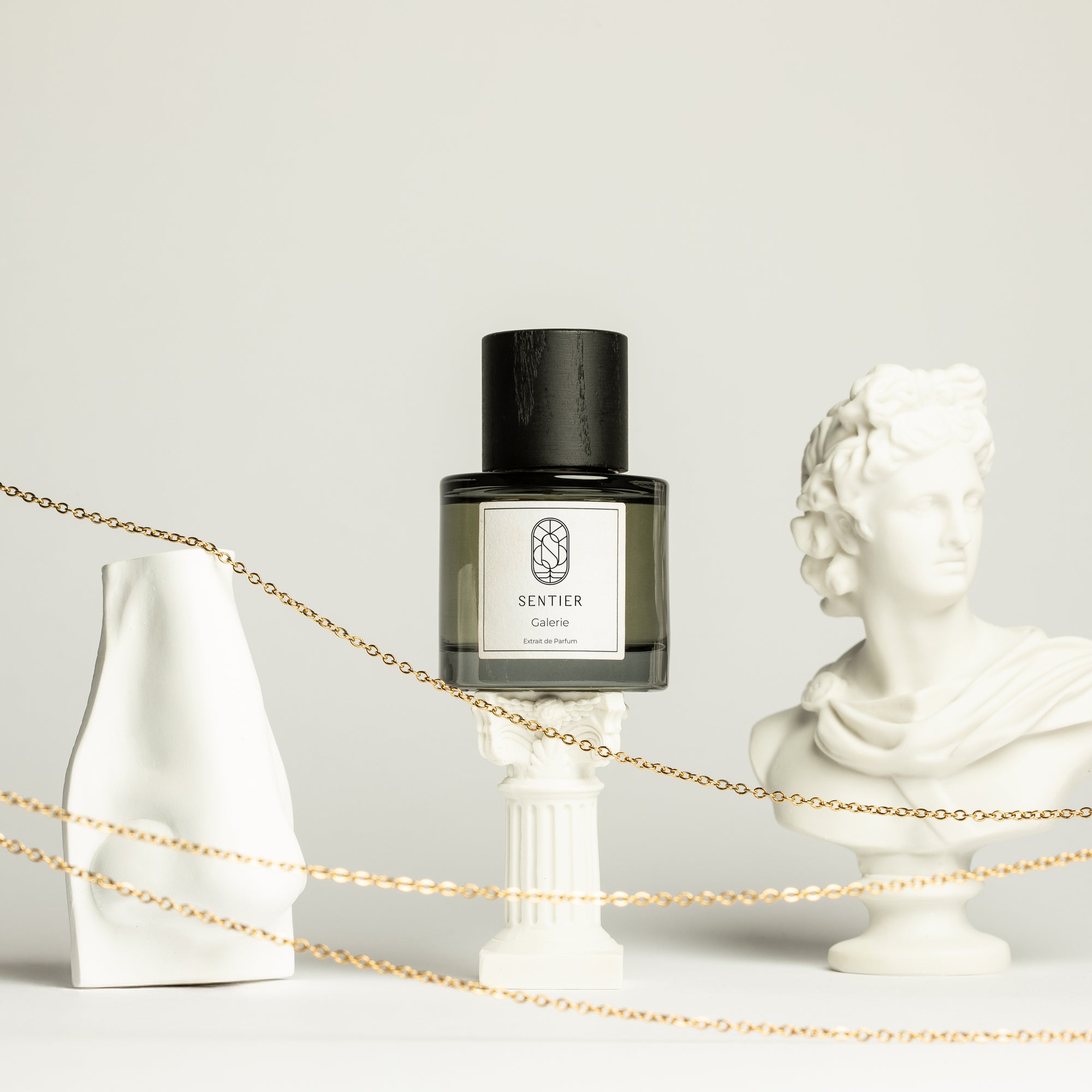
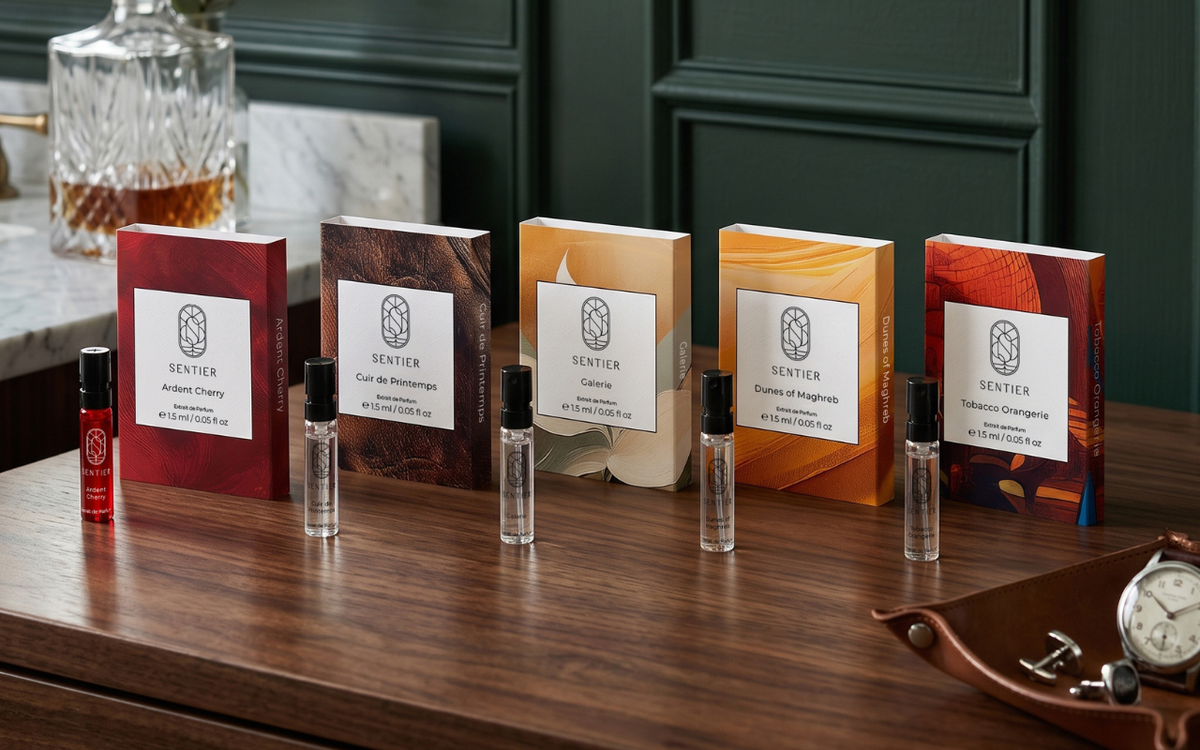
Sentier's Extrait de Parfum Collection is created at a 25% fragrance concentration, exploring five distinctive scent compositions through a more concentrated format.
Extrait de Parfum vs Eau de Parfum: Understanding the Difference
The main difference between extrait de parfum and eau de parfum is the concentration of fragrance materials within the formula.
Eau de Parfum typically contains around 15–20% fragrance concentrate, while Extrait de Parfum commonly sits around 20–30% or higher. These are general industry conventions rather than fixed rules.
However, concentration alone does not determine how a perfume behaves.
The ingredients, composition, skin chemistry and environment all influence how a fragrance performs.
An Eau de Parfum with substantial woody or amber notes may last longer than an Extrait built around lighter, more volatile materials.
That is why the best way to compare fragrances is to experience them on your own skin.
Does Extrait de Parfum Last Longer?
One of the most common questions surrounding extrait de parfum vs eau de parfum is whether the higher concentration means better longevity.
Often, an Extrait de Parfum has the potential to last longer because of its higher concentration of aromatic materials.
But there is no universal guarantee.
Longevity depends on the perfume's formulation, the materials used and how they interact with your skin.
For example, notes such as sandalwood, amber, musk and certain resins often contribute to a fragrance's lasting character, while brighter citrus notes may be more noticeable in the opening.
A beautifully composed perfume is not simply about lasting for as many hours as possible. It is also about how the fragrance changes from its opening to its final impression.
Is Extrait de Parfum Stronger Than Eau de Parfum?
Not always in the way you might expect.
A higher fragrance concentration does not automatically create a stronger scent trail.
Two terms are useful here: projection and longevity.
Projection describes how far a fragrance can be detected from the wearer. Longevity refers to how long the fragrance remains perceptible.
An Extrait de Parfum may have excellent longevity while maintaining a relatively intimate projection. Meanwhile, certain Eau de Parfum compositions can create a noticeable scent trail despite containing a lower concentration.
So, when choosing between the two, think about the experience you prefer.
Do you enjoy a fragrance that fills the space around you, or something that reveals itself more closely throughout the day?
Neither is inherently better. They simply offer different ways of wearing scent.
Discover Sentier's Extrait de Parfum Collection
For those curious about what extrait de parfum smells like, Sentier's collection offers five different interpretations of concentrated fragrance.

Each composition explores a distinct atmosphere, from dark fruit and leather to warm tobacco and textured woods
Ardent Cherry: Dark Fruit and Warmth
Black cherry, incense, amber and cherry blossom create a composition that moves between indulgent sweetness and smoky depth.
Ardent Cherry is an exploration of contrast, where fruity brightness meets a warmer, more mysterious character.

Cuir de Printemps: Leather and Softness
With black leather, iris, bergamot and white musk, Cuir de Printemps explores the contrast between structure and delicacy.
Its character is refined and quietly expressive, bringing together the richness of leather with softer floral and musky facets.

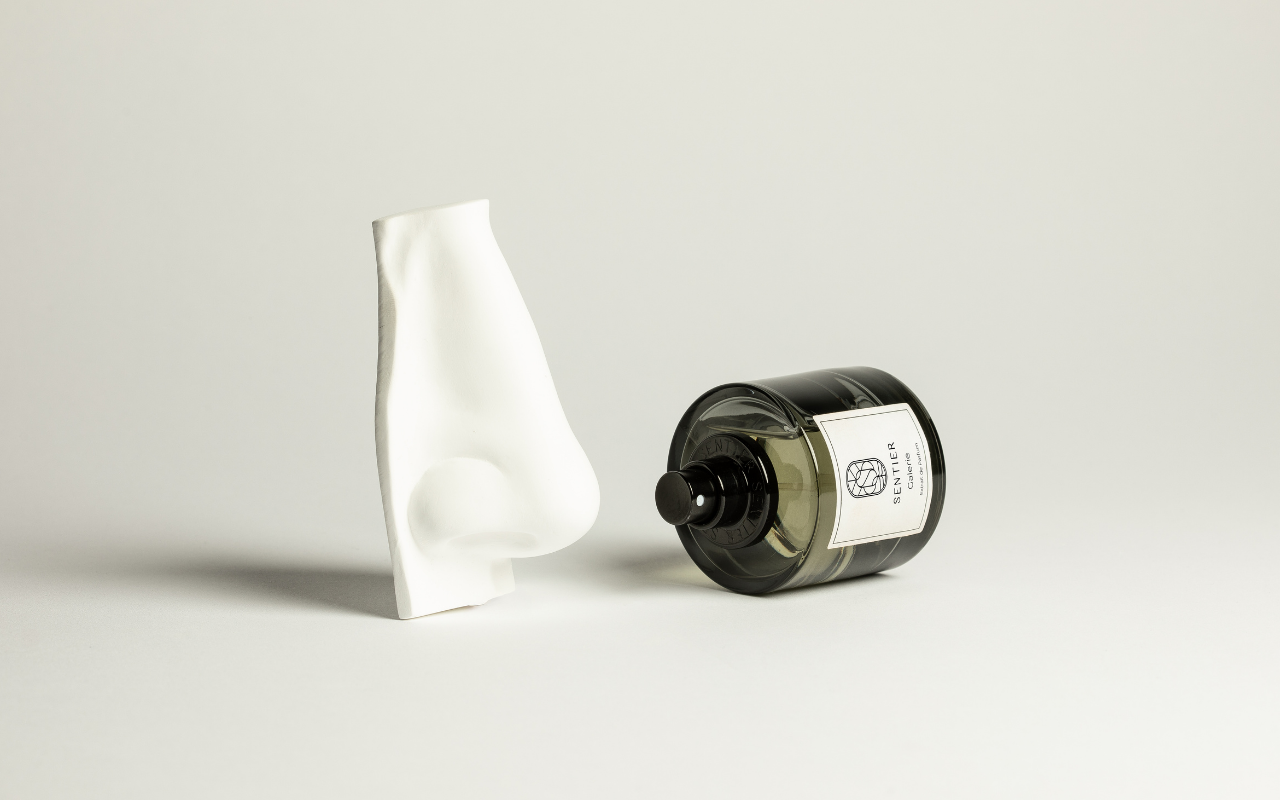
Galerie: A Study in Texture
Violet, saffron, sandalwood and musk create a fragrance that feels layered and contemporary.
Galerie brings together floral softness, subtle spice and the warmth of woods in a composition that reveals different dimensions as it develops.

Tobacco Orangerie: Citrus Meets Depth
Tobacco, orange, oud and patchouli form an unexpected contrast between brightness and warmth.
The result is a fragrance with a distinctive character, combining citrus freshness with deeper, more textured notes.

Dunes of Maghreb: Warmth and Escape
With patchouli, tonka bean and orange blossom, Dunes of Maghreb explores a warm, enveloping fragrance landscape.
Its combination of floral, earthy and softly sweet facets creates a scent that feels both comforting and transportive.

Together, these five fragrances demonstrate that Extrait de Parfum is not one particular scent style. It is a concentration format that can express many different fragrance personalities.
Should You Choose Extrait de Parfum or Eau de Parfum?
The answer depends on what you want from your fragrance.
If you prefer a lighter-feeling scent for everyday wear, an Eau de Parfum may be an excellent choice. But remember that some Eau de Parfums are exceptionally rich and powerful.
If you enjoy exploring concentrated compositions, an Extrait de Parfum may appeal to you.
Rather than choosing based on concentration alone, consider the fragrance notes, how the perfume develops and how comfortable you feel wearing it.
A perfume should suit your preferences, not simply have the highest percentage printed on the bottle.
How to Apply Extrait de Parfum
Because Extrait de Parfum contains a higher concentration of fragrance materials, you may find that a smaller application is sufficient.
Start with one or two sprays and allow the fragrance to settle before deciding whether to apply more.
Applying perfume to moisturised skin can also help support its longevity, while storing the bottle away from excessive heat and direct sunlight helps protect the fragrance over time.
Most importantly, give the perfume time to develop.
The opening is only the beginning of the experience.
Extrait de Parfum FAQs
What does Extrait de Parfum mean?
Extrait de Parfum refers to a highly concentrated form of perfume, generally containing a higher proportion of aromatic materials than Eau de Parfum.
Is Extrait de Parfum better than Eau de Parfum?
Neither concentration is automatically better. Extrait de Parfum typically has a higher fragrance concentration, but the quality, longevity and projection of a perfume depend on its overall formulation.
How long does Extrait de Parfum last?
Extrait de Parfum can offer extended longevity, but the exact duration varies depending on the fragrance composition, skin chemistry, application and environment.
Can you wear Extrait de Parfum every day?
Yes. Extrait de Parfum can be worn daily. The amount you apply can be adjusted according to the fragrance's intensity, your preferences and the occasion.
Is Extrait de Parfum worth the price?
For someone who appreciates concentrated fragrances, an Extrait de Parfum may be a worthwhile investment. However, value depends on the scent itself, how often you wear it and how much you enjoy the experience.
What concentration is Sentier Extrait de Parfum?
Sentier's Extrait de Parfum Collection has a fragrance concentration of 25%, with five compositions: Ardent Cherry, Cuir de Printemps, Galerie, Tobacco Orangerie and Dunes of Maghreb.
Discover Fragrance Beyond Concentration
The difference between extrait de parfum vs eau de parfum is not simply a matter of stronger or weaker.
It is about concentration, composition and the different ways fragrance can express itself on the skin.
Some scents are bright and immediate. Others develop slowly, revealing warmth and complexity as the hours pass.
The most memorable fragrance is not necessarily the one with the highest concentration. It is the one you find yourself wanting to wear again.
Explore Sentier's Extrait de Parfum Collection and discover five different expressions of scent.
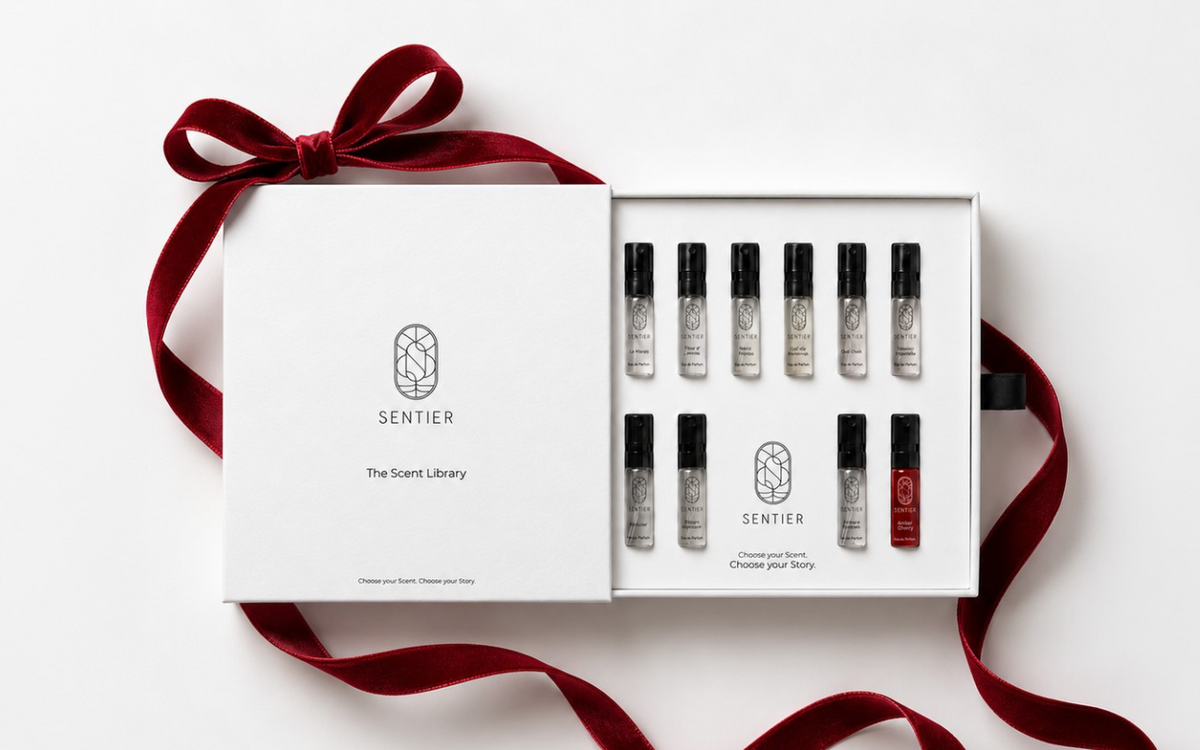
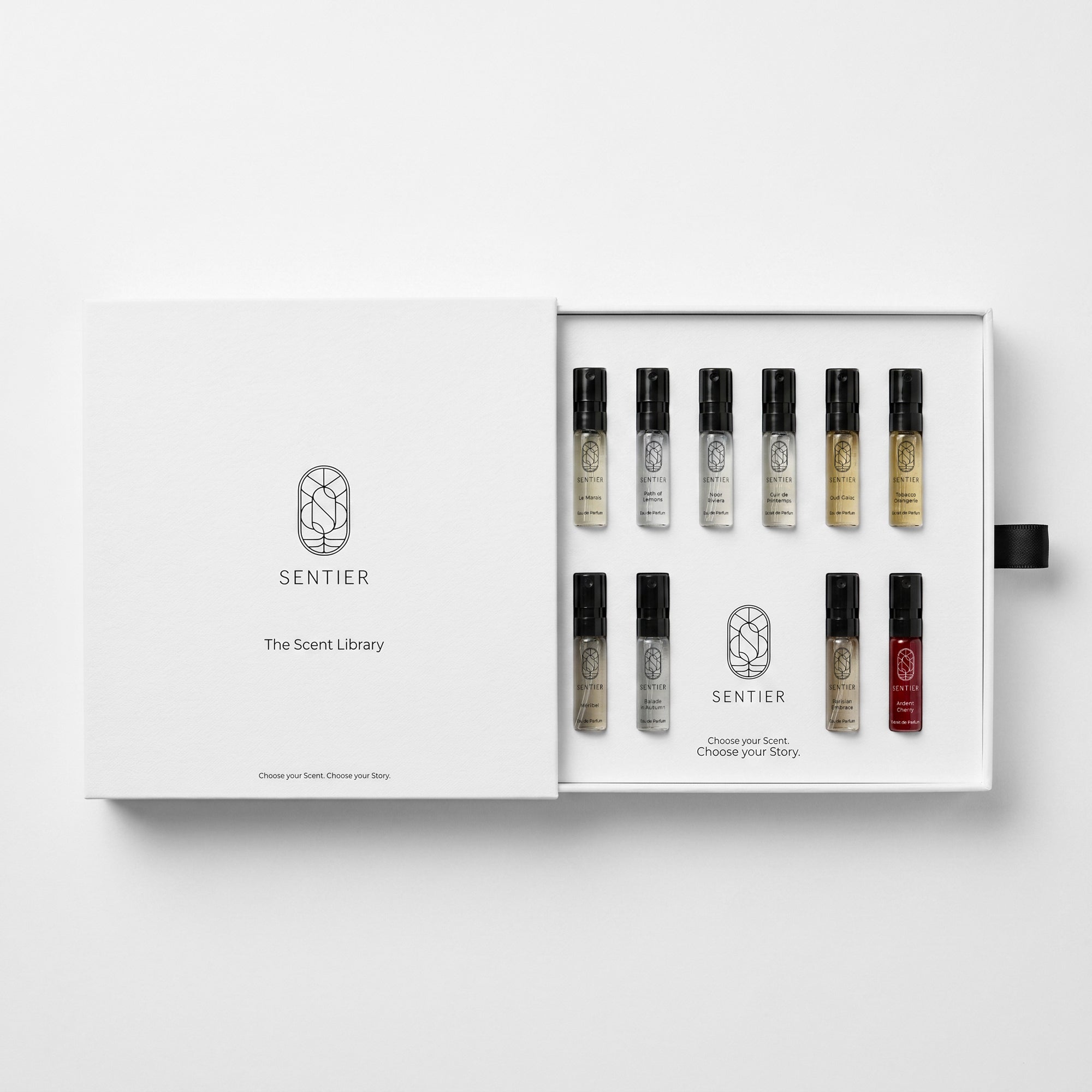
Or begin with the Sentier Extrait Discovery Set, featuring all five fragrances in 1.5ml sizes, and discover which one feels most like you.